Floor and trolley jacks
For garage equipment distributors, repair chains and automotive service channels.
View detailsFloor jacks, bottle jacks, trolley and scissor jacks, jack stands and workshop equipment — built and inspected before packing. Send your model and destination market, and we quote the product, the packing and the documents together.
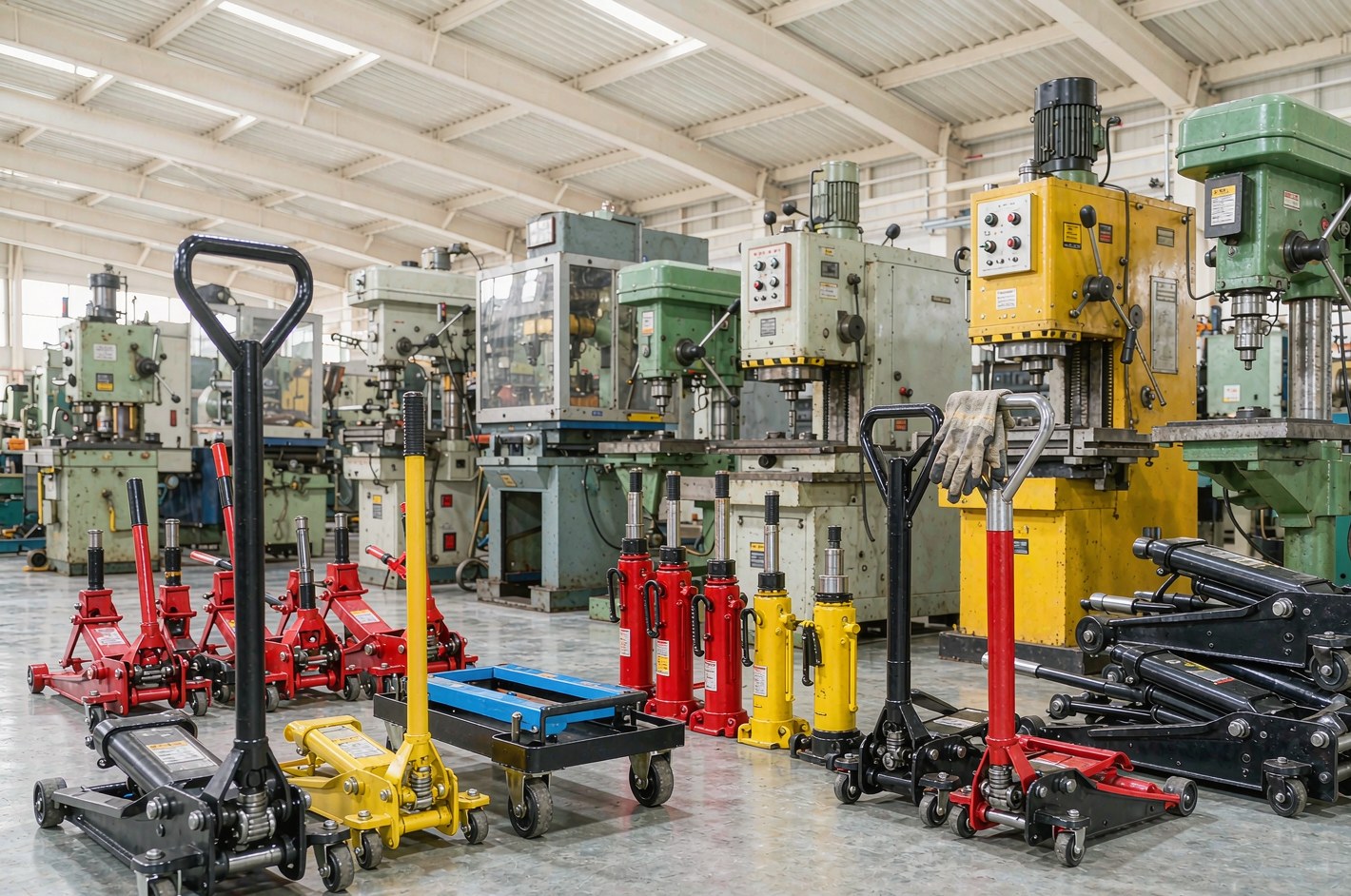
Most buyers come to us with a photo, a sample, or a competitor model they want to replace. We work straight from that: capacity, lifting height, low-profile clearance, handle design, wheels, saddle, finish, packaging, labels, manuals and market documents.
From that reference we build a real product — we confirm it fits your channel, set what can be customised, run the tests it needs, match the documents to your market and pack the order for export.
Floor jack, bottle jack, trolley jack, scissor jack, jack stand or workshop equipment—match the product format to your customer, vehicle type and use scenario.
Review capacity, lifting range, minimum height, saddle, handle, wheel, base, finish and packing size before treating two quotes as equal.
Discuss colour, logo position, warning label, manual language, carton artwork and retail display requirements before sampling.
Clarify hydraulic leakage checks, load testing, visual inspection, packing inspection and what report or photo evidence can be supplied.
Check which certificates, test reports, instructions and compliance files are relevant to your destination market and exact model.
Align carton strength, palletization, labels, spare parts and loading requirements so the product arrives ready for your warehouse or retail channel.
Our production covers engineering review, machining, fabrication, welding, surface treatment, assembly, packing and load testing. Every order runs the steps its model needs, and we agree the inspection scope with you before production starts.
We check the product format, load target, height range, saddle, handle, wheel, base and private-label requirements against how the jack will actually be used.
Each jack and workshop equipment family runs the machining, fabrication, welding, coating and assembly steps it needs.
We inspect incoming components, welds, finish, hydraulic function, leakage, load performance and packing before, during and after production.
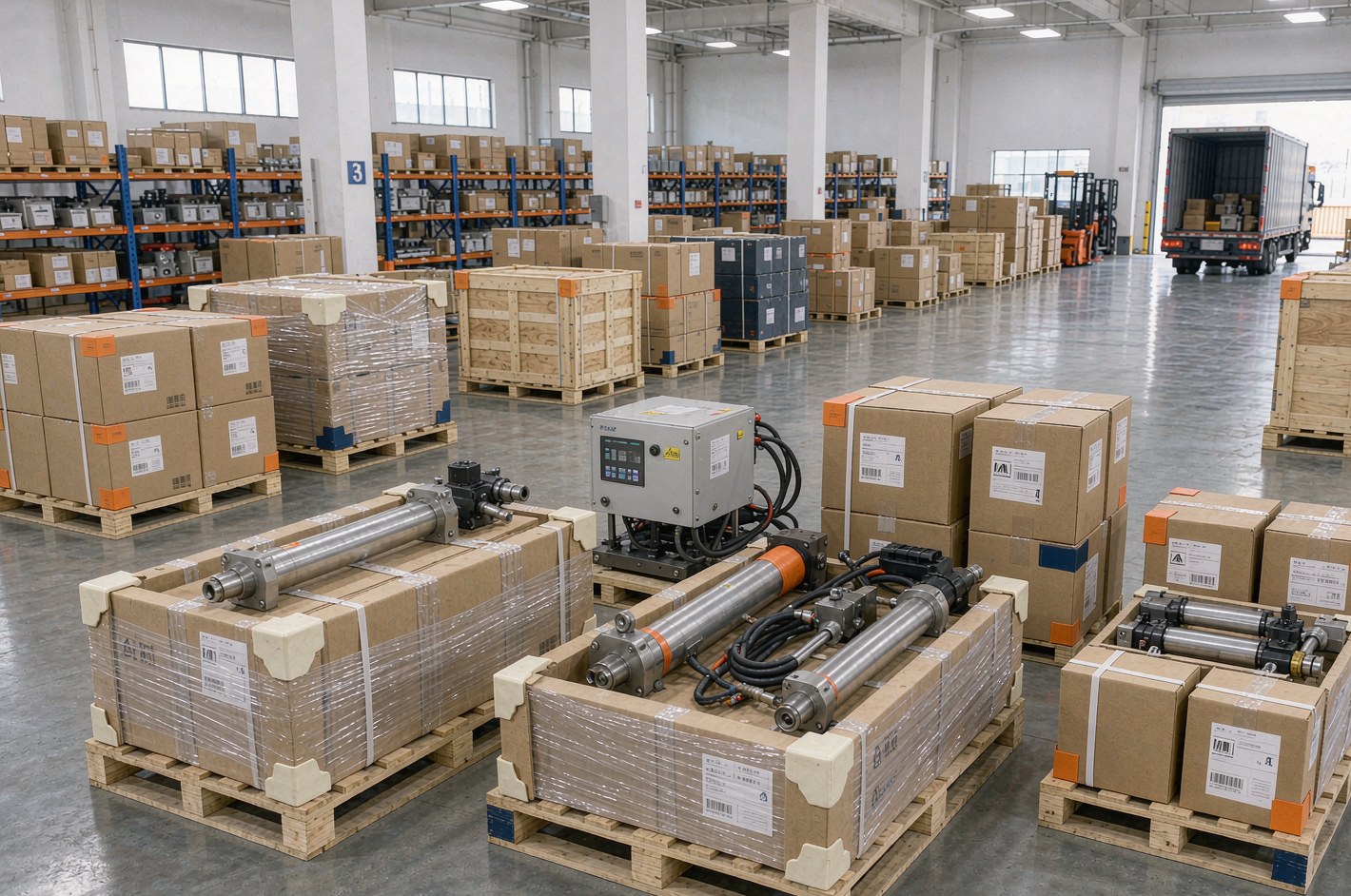
Carton protection, palletising, labels, manuals, spare parts, inspection photos and shipping documents are prepared before the order leaves the floor.
For garage equipment distributors, repair chains and automotive service channels.
View detailsFor compact lifting kits, roadside service, farm machinery and industrial maintenance.
View detailsFor buyers building safe support-equipment assortments around jack products.
View detailsShop cranes, presses, transmission jacks, motorcycle lifts and hydraulic repair tools.
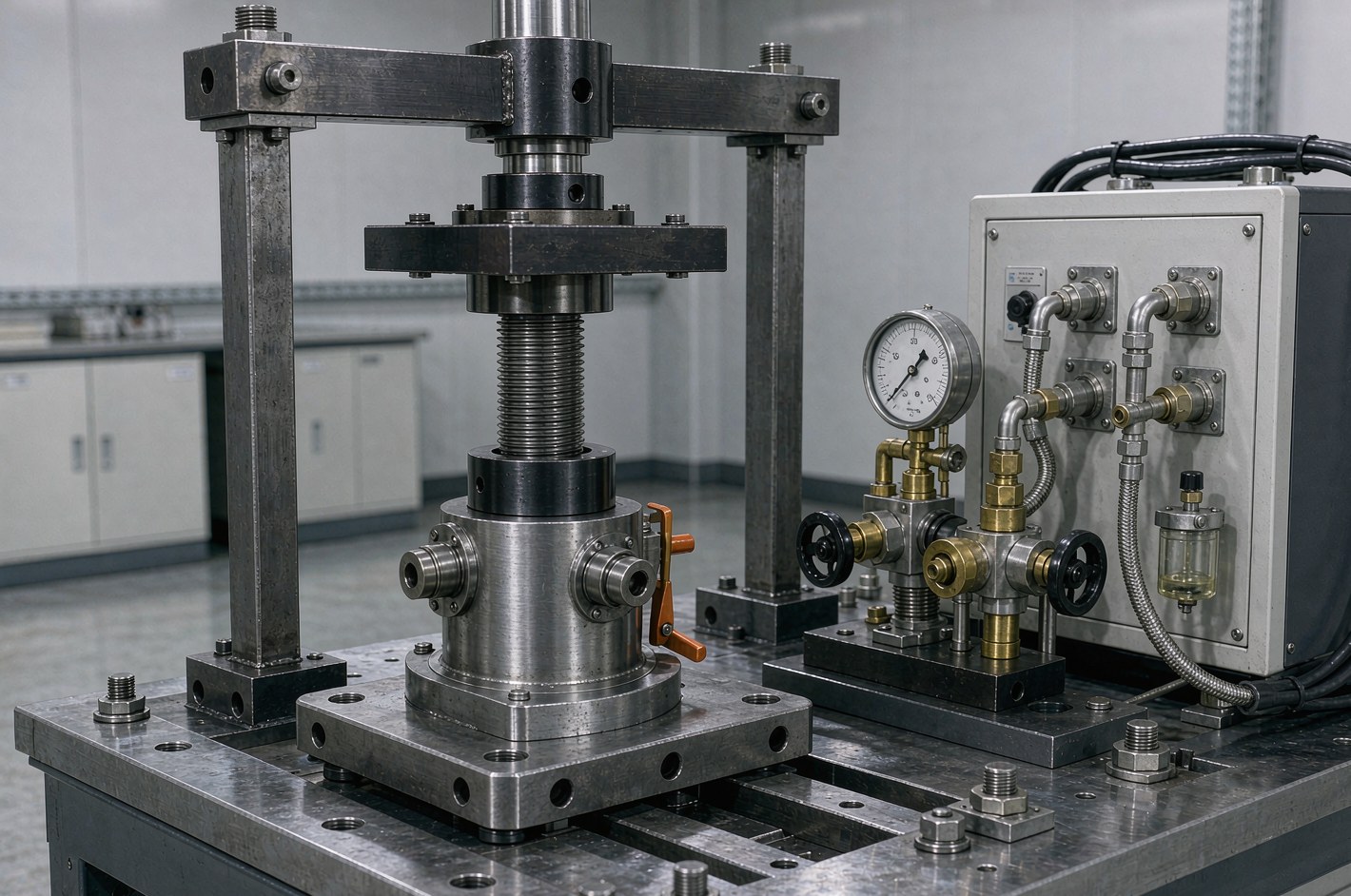
View detailsMachining, welding, assembly, load testing and packing are shown here. The inspection scope and documents that apply to your model are confirmed before production starts.
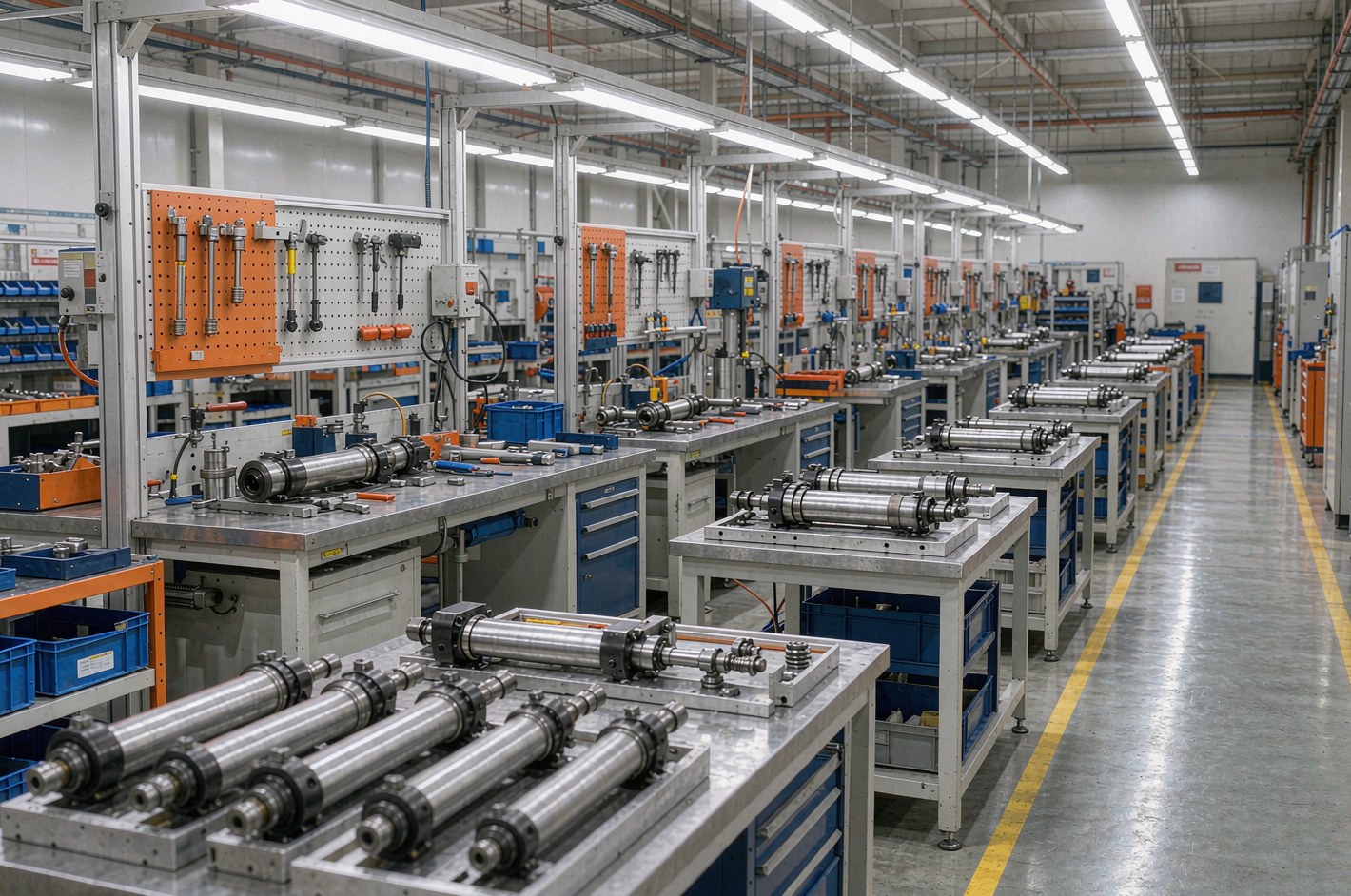
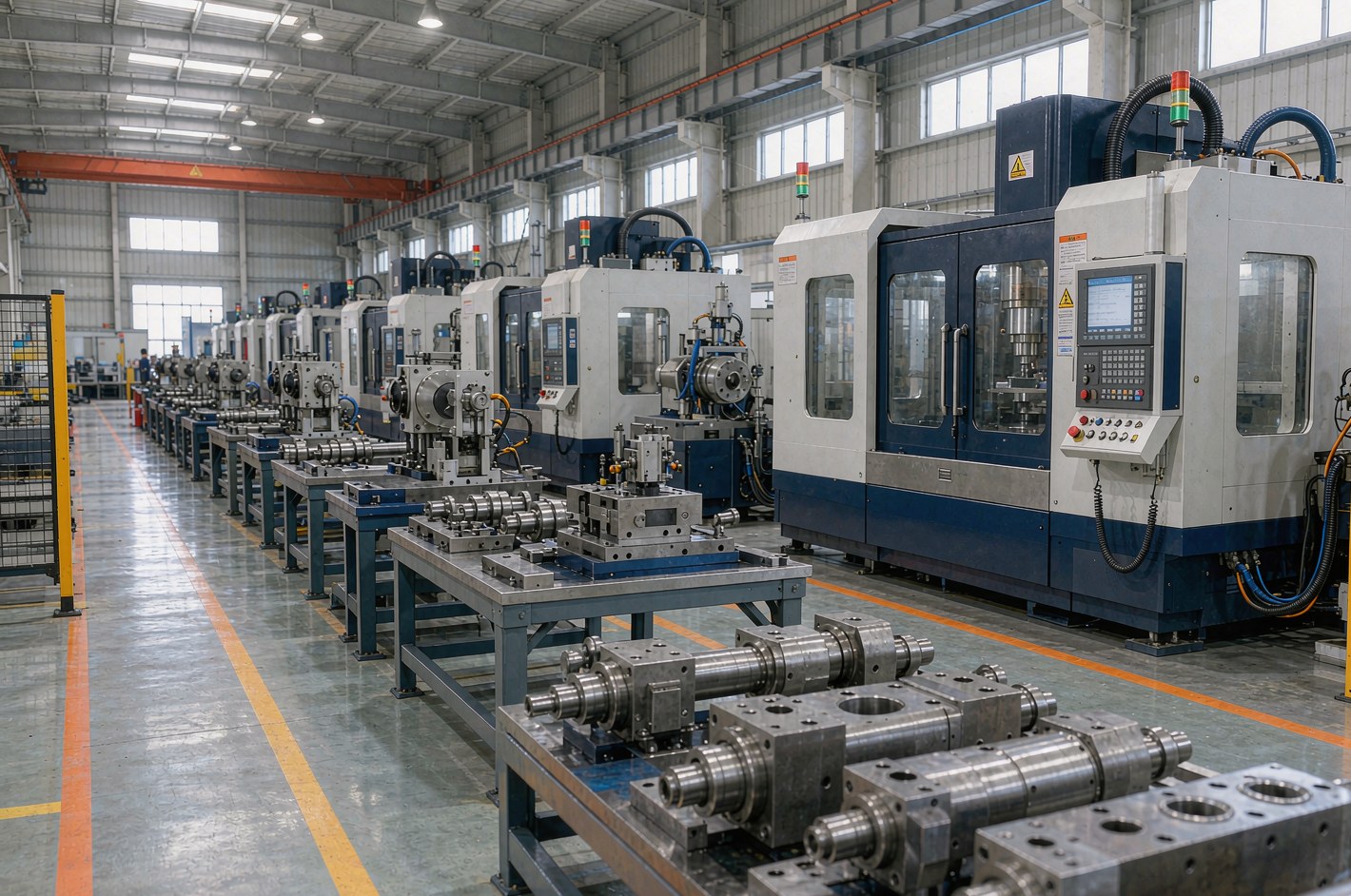
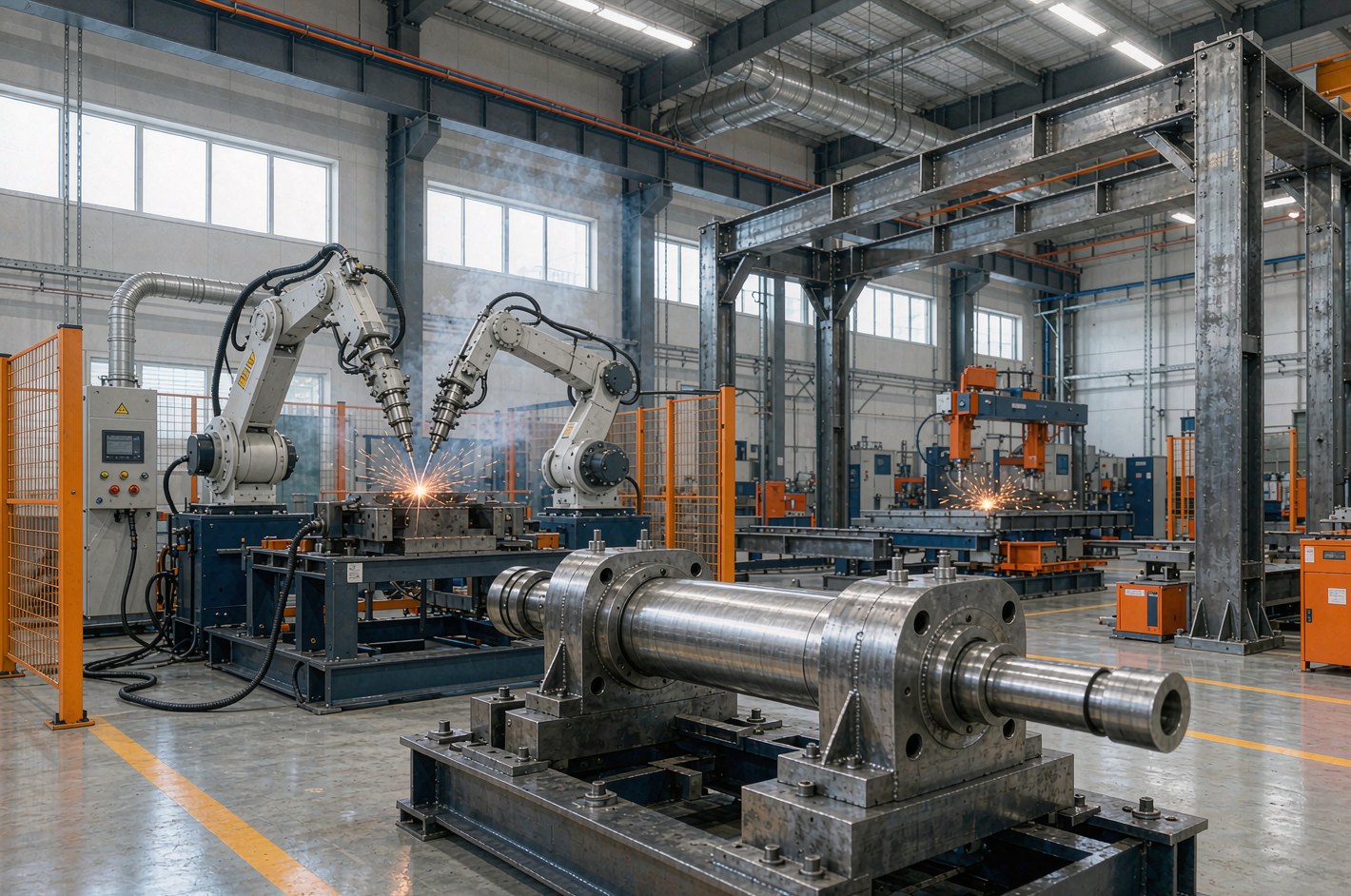
Send the product photo or drawing, target capacity, lifting range, minimum height, application, destination market, order plan, packaging direction and required documents. The clearer the brief, the faster the quotation can become actionable.
Yes. Send a sample, drawing or competitor reference and we match it to product structure, application, packaging and document needs. We confirm feasibility when we review the model and your order requirements.
We run hydraulic leakage checks, lifting function, rated-load verification, durability checks, visual inspection and packing checks. We set test scope and reporting format for your product model.
Yes. Colour, logo, manual language, carton artwork, labels and selected structural changes are handled through the OEM program. We confirm tooling, sample approval and change control in writing.
Certification requirements depend on product type and destination market. Ask for current documents and verify issuer, model scope and validity through the quality document process.
Request a clear sample plan, model-specific test scope, packaging files, inspection checkpoints, photo evidence, spare-parts discussion and a written confirmation of what changes require re-approval.
Direct answers to the questions buyers ask most often on this topic.